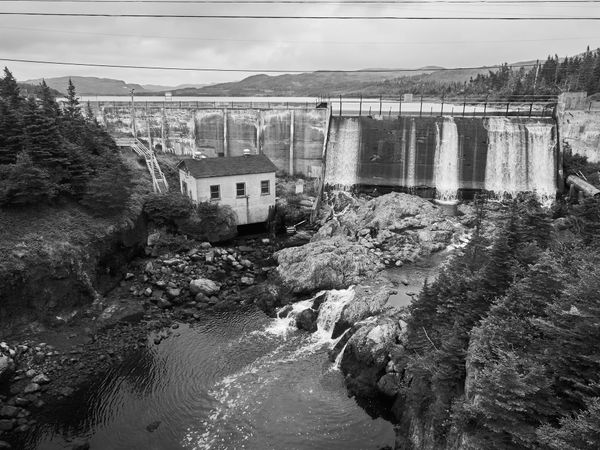
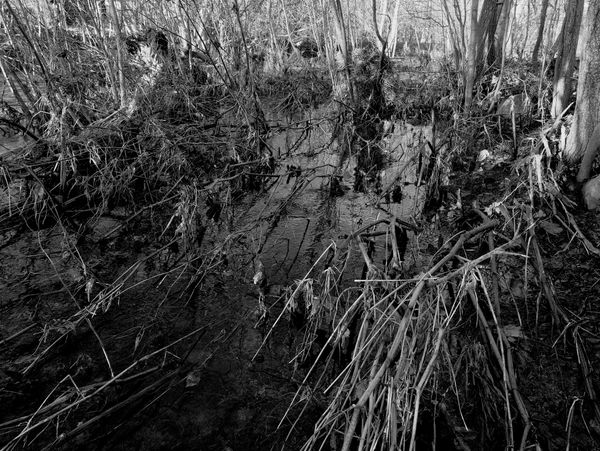
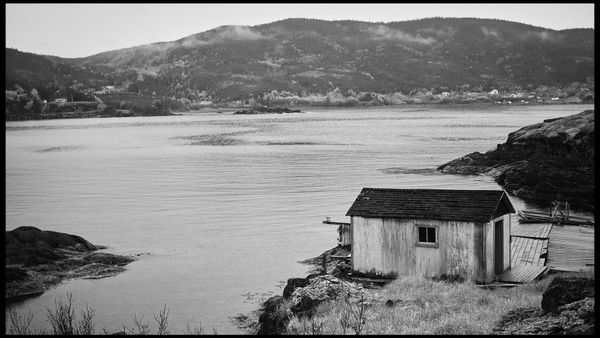
Issue 36: Bits and bobs

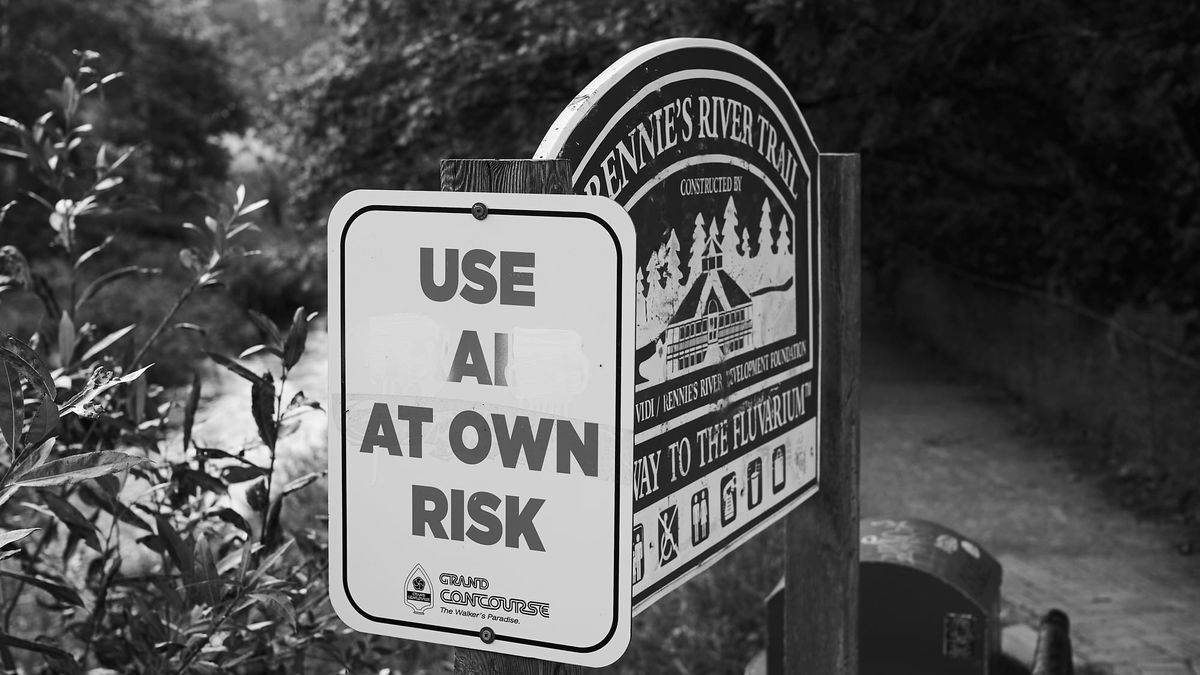
Lately, every meeting or event I attend is becoming an AI infested BS. Ask a simple question and invariably there will be that one person who says: "Let's see what ChatGPT says," while three other people are already consulting an AI. Ask people to write something and it gets exponentially worse. Public servants in meetings regularly suggest to folks to use AI to write funding applications. My favourite? A person who sends their AI notetaker to online meetings and sometimes doesn't show up. AI courses (Free!!!) are pushed on people in organizations that should be investing their very limited funds into almost anything other than AI subscriptions. And the worst of all is that the whole thing is basically a more sophisticated version of Arty Bollocks, which was a satire... (Photographer Dina Litovsky has a good rant about artist statements.) I mean, if you are folding proteins and analyzing massive amounts of data, sure, use your custom AI as a tool. The rest of us should really put a bit more resistance to outsourcing our cognitive capacity to a lousy algorithm. /rant
Photo links
Caleb Stein spent more than a decade photographing a creek in New York State and made a book about it.
There is an Ocean Photographer of the Year contest, apparently, and Julien Anton with his lovely seahorses photo won.
NPR has a good feature on photojournalist Robert Nickelsberg and his book Legacy of Lies, El Salvador 1981-1984.
Aperture has an interview with Fred Ritchin on AI and synthetic images. Worth reading through.
Canadian Architect has a review of How to Build a River by Vid Ingelevics and Ryan Walker who followed the transformation of the Toronto Port Lands into something like a river system. And, amazingly, this was a commissioned work by a public agency. My god... imagine...
Nadav Kander's Dark Line – The Thames Estuary looks amazing. Published by the good people at Gost.
Should you find yourself in Paris before December 12, do yourself a favour and visit Magnum Gallery and see René Burri's retrospective on display.
The great Chris Steel-Perkins has passed on.
PhD Readings
I am a fan of Douglas Harper. He knows his way around a camera and he knows his way around sociology. His book Visual Sociology is excellent and shockingly reasonably priced for an academic book published by a major extortionist.. sorry... academic publishing house. I particularly like his clear thoughts on photo-elicitation interviews and, luckily, his article Talking about pictures: a case for photo elicitation is available on-line. Like him, I find photo-elicitation to be effective and, quite frankly, fun.
Photographs appear to capture the impossible: a person gone; an event past. That extraordinary sense of seeming to retrieve something that has disappeared belongs alone to the photograph, and it leads to deep and interesting talk.
That is maybe a little more poetic than I would say it, but yes it is indeed shocking that we don't use photo-elicitation more often in social research.
Things I made
The Monochrome Collective published an interview/feature on the 70/70 project, which I am taking as a kick in the pants to restart it.
There are some new photos in the never-ending Rennie's River collection.
▪️▪️▪️
Feel free to share this newsletter with anybody you think might be interested. As always, no paywall and no special paid content. If you find this newsletter useful or entertaining, you can support it through buy me a coffee service.