Issue 35: Notes from the road – Burin Peninsula edition

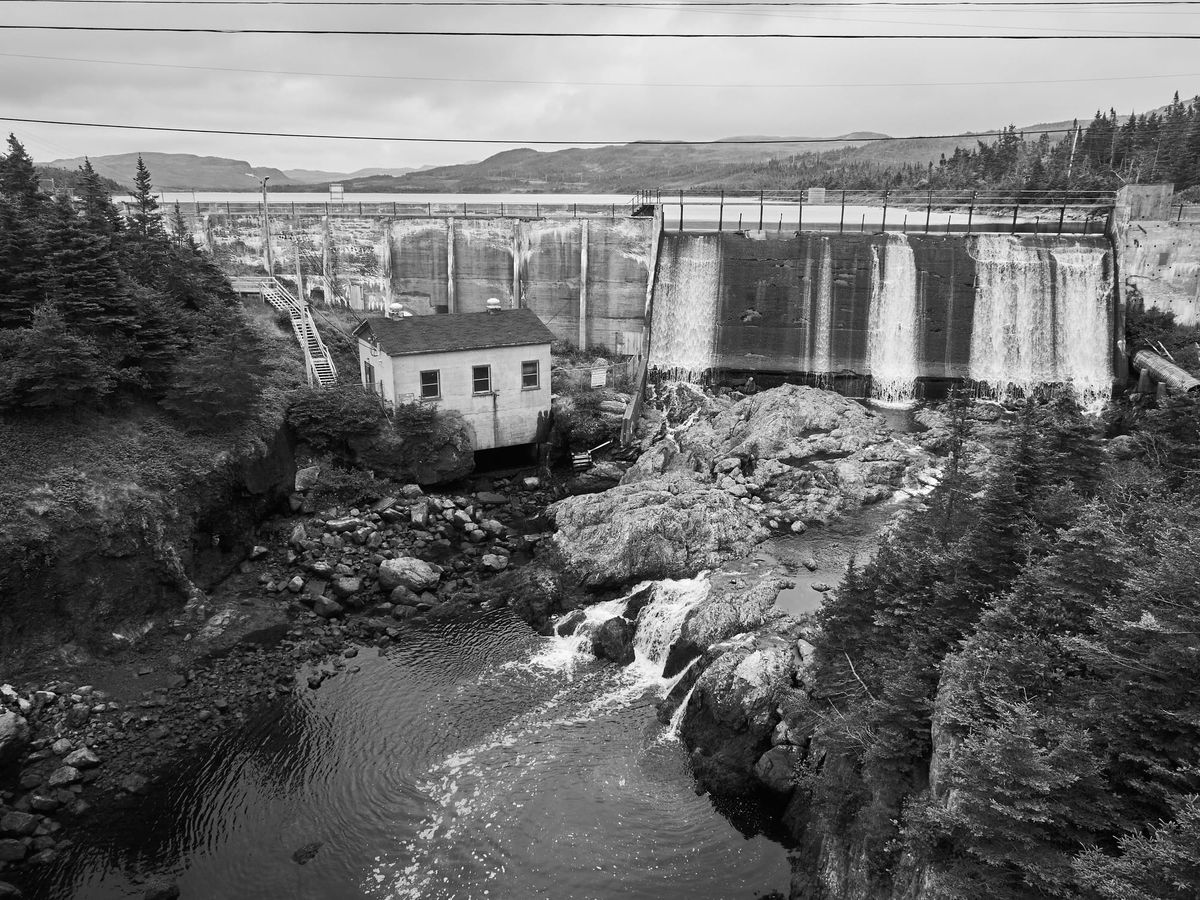
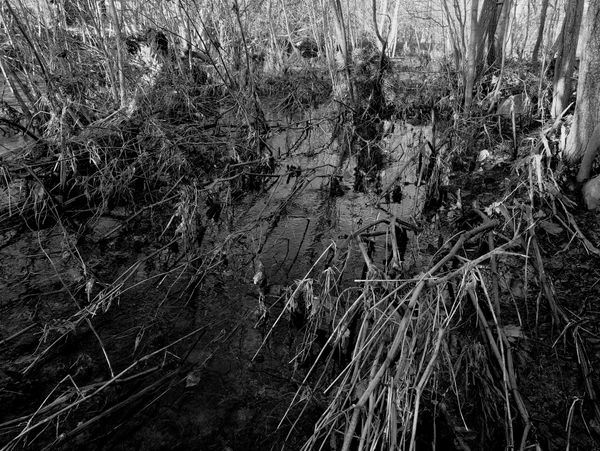
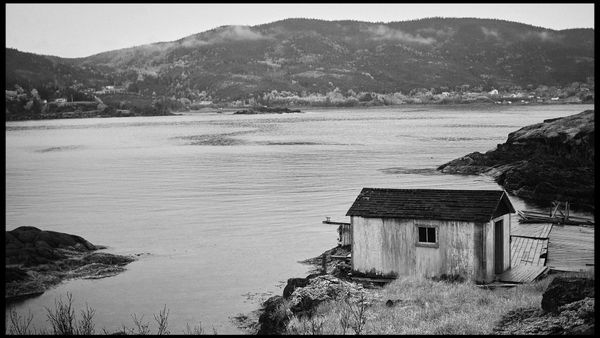
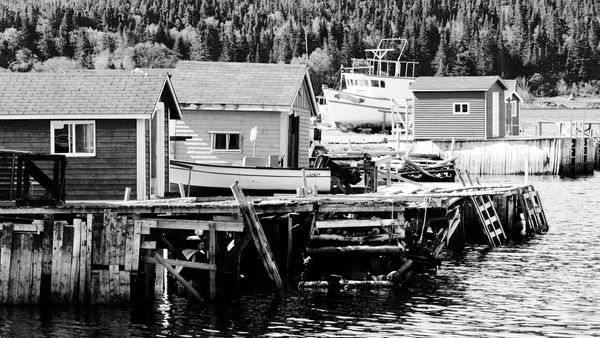
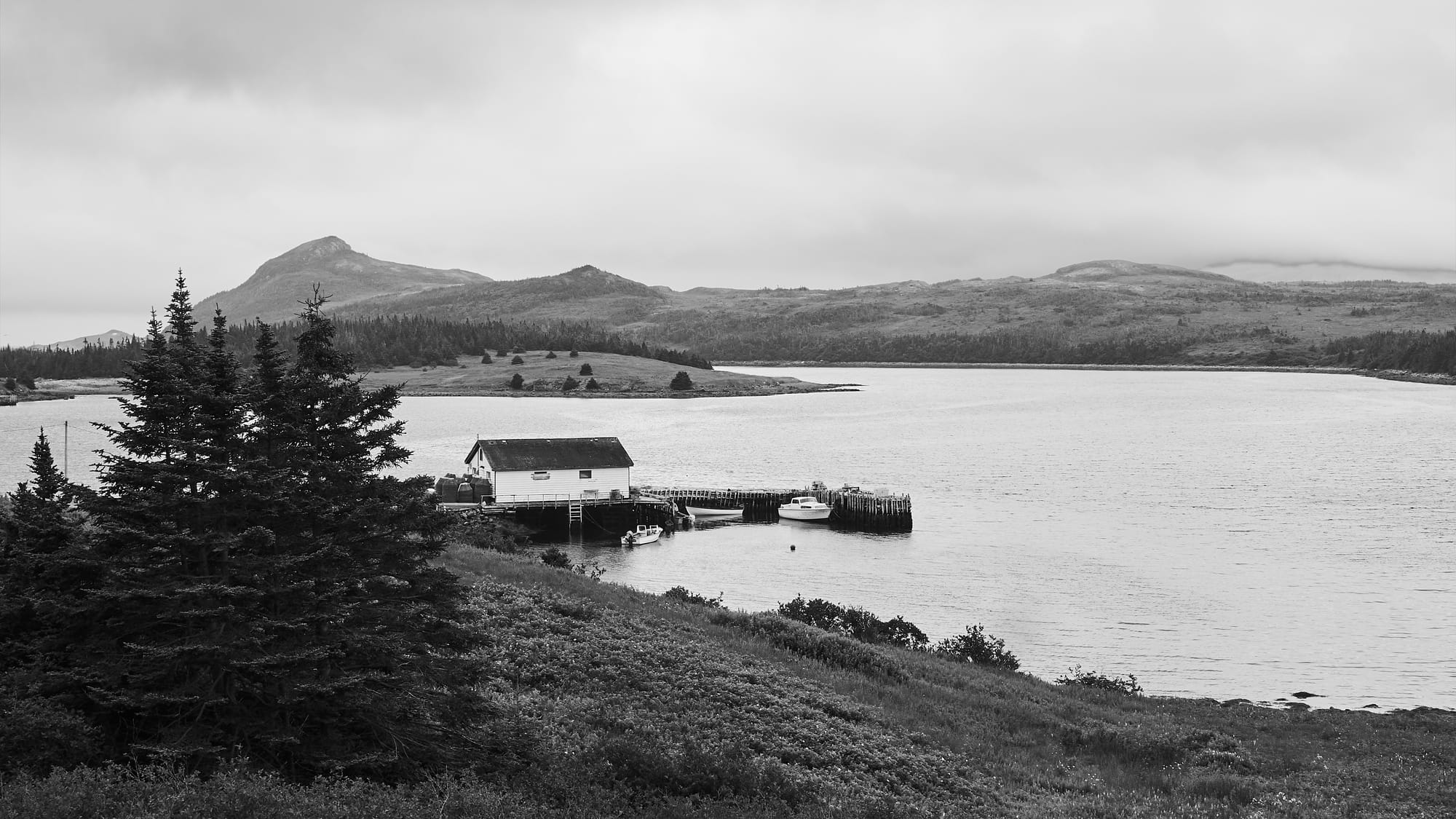
Long days on the road. This month, I poked my nose into nooks and crannies of Newfoundland's Burin Peninsula. The Boot (the peninsula is shaped like a boot) used to be an industrial powerhouse. Today, that industrial capacity is still there from a fluorspar mine to deep sea port, an idle shipyard, a new spaceport project, to another potential mine and enormous, if controversial, wind potential, aquaculture industry and fish processing. This is also an international border between Canada and EU. The French islands of St. Pierre and Miquelon are just a short ferry ride away from the town of Fortune and the southern tip of the peninsula. Thousands of tourists visiting the islands represent an untapped potential and with striking landscapes, almost hard to believe stories (Al Capone did his banking at the Bank of Nova Scotia in the town of Burin) and the WWII naval disasters, you could easily loose yourself there. The peninsula faces all the same issues you find anywhere in rural Newfoundland, but no issue is more striking than the aging demographic. One person I spoke to quipped that their town could save money by closing down its community centre since they already have a 50+ club. There is a growing Filipino community that works mostly in service and fish processing industries and the mine expansion will bring more workers in and many hope some of them will choose to stay. That, of course, puts pressure on housing and so we run again into that general neglect of rural Canada by provincial and federal governments. Not really just a Canadian story either. European Commission released a new report earlier this week on strong villages and towns in the EU and, honestly, it feels like reinventing the wheel or tepid water, as we would say in Croatia.
▪️Photo links
Lots of photo stuff this time. If you are on blueskye, follow Photojournalism News account.
Recently, I found the work of Rob Hornstra, Sabine Weiss, and Nigel Brunsdon.
The New Yorker has a photo essay by Ana Karina Zatarain, The Lonely Men at the End of the World, about men hired by landowners in Patagonia to look after their livestock and ranches.
The Guardian has a visual story on Mongolian fire rangers and Emergence magazine has a 40 minute film featuring Icelandic writer Andri Snær Magnason (whose book of essays On Time and Water I liked) reflecting on the power of stories in the time of melting glaciers. Speaking of glaciers, you owe yourself to read my significant other's brilliant new novel coming out in a few days, A Glacier's Guide to Dying.
A story about Peter Marlow's cathedral photographs; Gost is publishing Don Mccullin's Vietnam work; and Aperture has an interview with Carrie Mae Weems.
Hasselblad Masters 2026 competition winners are here.
▪️PhD readings
Christian Vium (personal website) is a visual anthropologist at the Aarhus University in Denmark with much of his work focused on Africa and migrations. As always, it is particularly useful to read the work of scholars-practitioners. His article on visual note taking and a chapter on photography and anthropology as they relate in his work on migrations are both useful and interesting even if I find things I dislike/could argue with there. Two of his observations are particularly useful. He argues that photography, when used as a method, positions the researcher unambiguously as an image maker and storyteller. This is really important. I cannot tell you how many times I have seen researchers blur the line between their work and personal relationships that inevitably develop when you work in a community. A camera does not prevent that, but it does serve as a reminder to everybody (just as it does for a photojournalist) that the researcher is there with a job to do. And he also, rightly so I think, points out that photographs are a form of note making, but also a documentary and analytical tool. I would add to that that they can also be a valuable storytelling tool for researchers and the communities they work with as well as a form of social action and intervention.
▪️Maps
What?! An exciting new section? Not really. I just happen to have some map related links I thought I'd share. European Space Agency and their Galileo navigation system are having a bit of fun with old man Odysseus and his uncanny ability to wonder the Mediterranean without stumbling upon his home. Considering a train trip in Europe? Here is a handy-dandy map of night train services across the continent. Check out these Reading Maps charting various works of literary fiction and films. An oldie but goodie - Paul Salopek's walk tracing a possible migration and spread of humans on a story map. The amazing meander maps of Mississippi including the old and the new ways of doing this!
Feel free to share this newsletter with anybody you think might be interested. As always, no paywall and no special paid content. If you find this newsletter useful or entertaining, you can support it through buy me a coffee service.