On ferryboats

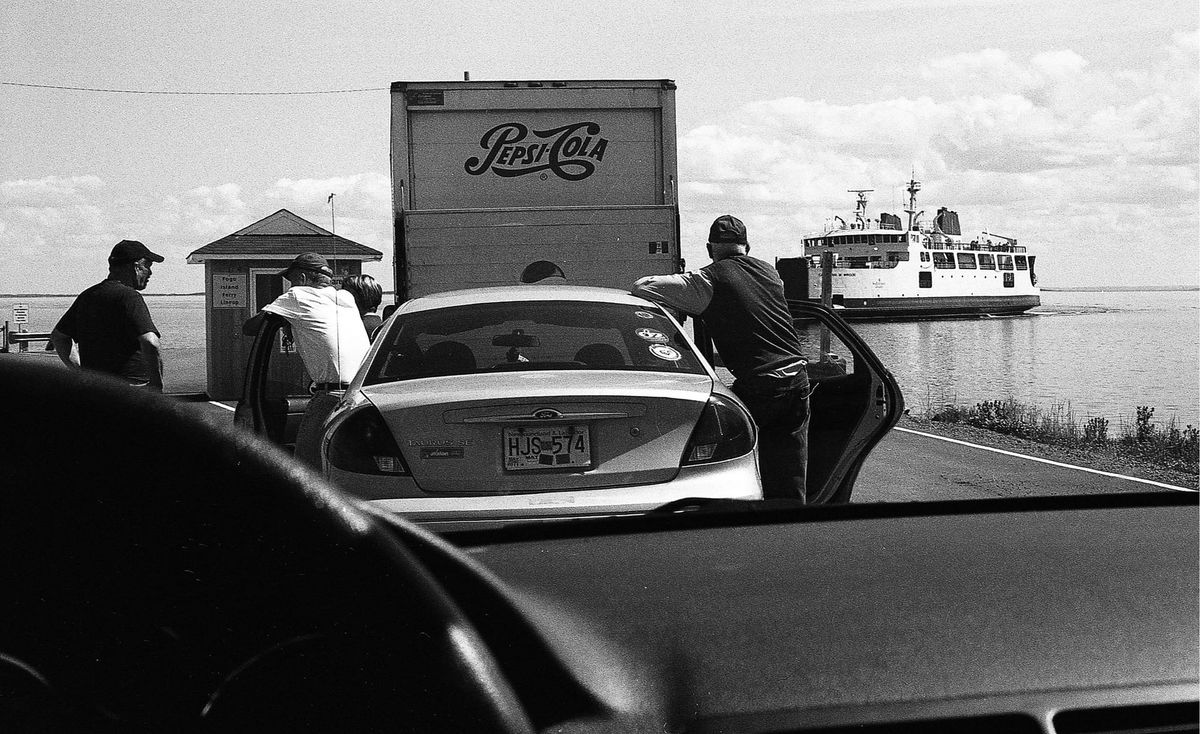
The ribbed, rusty, steel-plate ramp scrapes along a concrete ferry dock and the journey begins.
The island ferries I travel on are almost always white. Even the old, rusty, rumbling old man taking me between Farewell and Change Islands was once a gleaming, white, handsome vessel. Croatian ferries are much larger, almost luxurious ships when compared to tiny, but clean and efficient ferryboats connecting Shetland Islanders to each other.
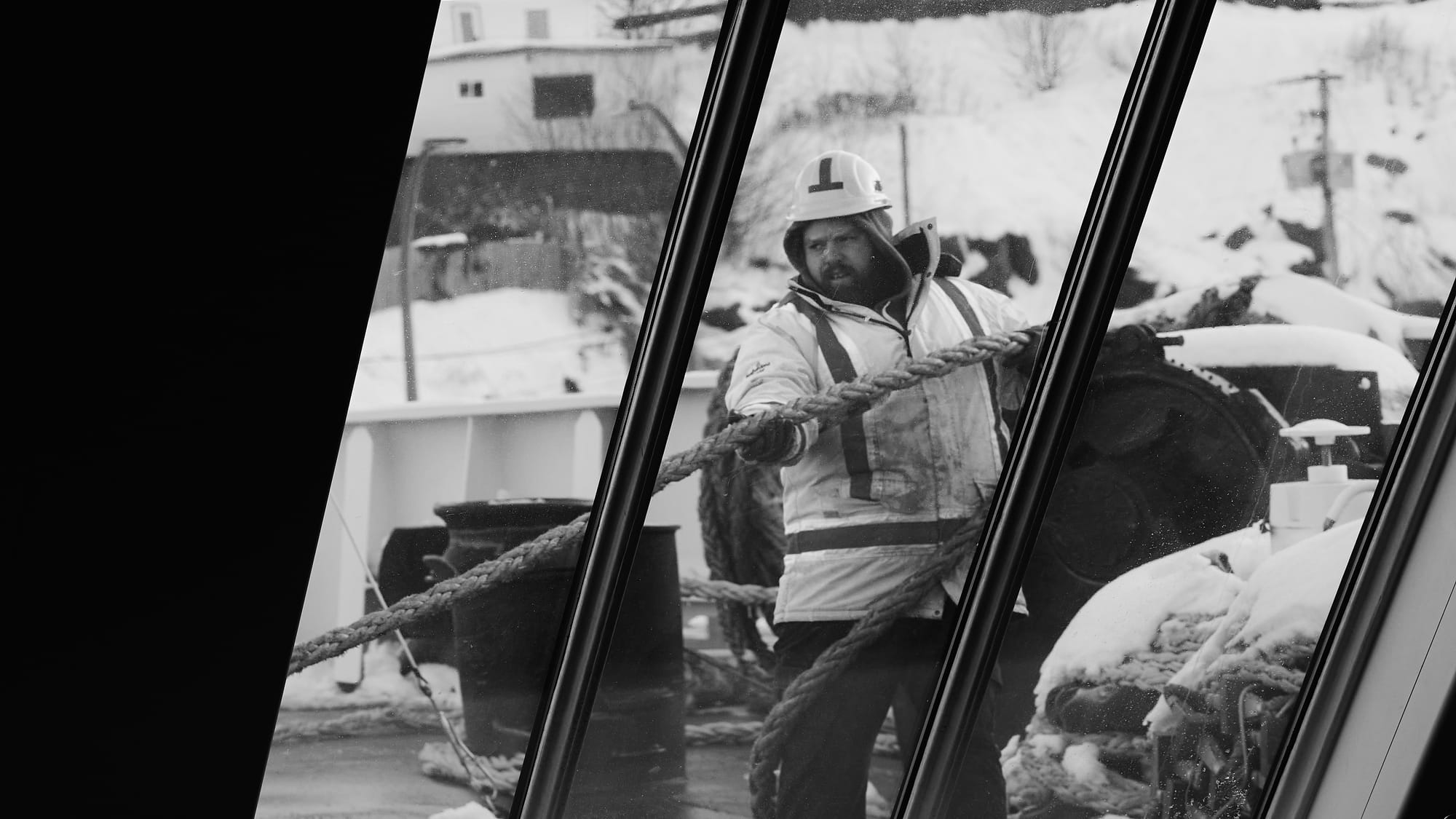
The ferries in the old tales looked different. No more than small, wooden rowboats or rafts pushed across a river with a pole. In those stories, greed could earn you an eternity of ferrying duties. A greedy king gets an oar handed to him in a Brothers Grimm tale, and the rich merchant Marco is condemned to row travellers across a river until the end of time in a story collected by Russia’s folklorist Aleksander Afanasyev.
It is the Russian version that resonates here in Newfoundland where rich fish merchants kept a tight grip on small outport communities and where the owners of large fishing vessels threaten the livelihoods of small inshore fishermen to this day.
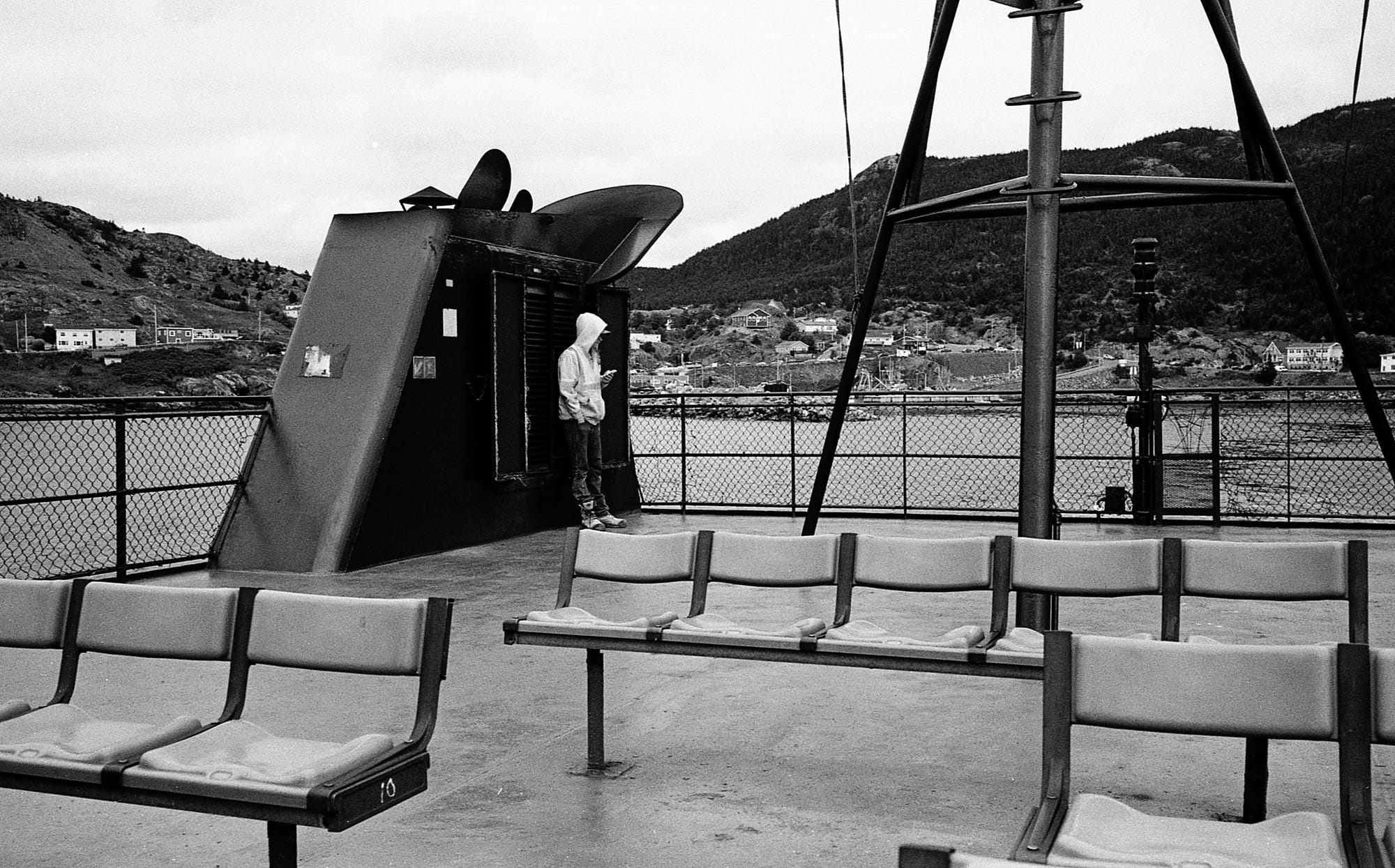
The storm breaks. The teenager we brought with us on this ferry refuses to leave the deck as the summer storm gathers clouds and pours rain amid flashes of lightning and rumbling thunder. She sits on an outside bench, feigning indifference. Her hair sticks to her wet face. She wears a t-shirt and jeans without a coat and texts her friends to complain about her boredom while her eyes betray a mix of fear and awe for she just glimpsed her own insignificance.
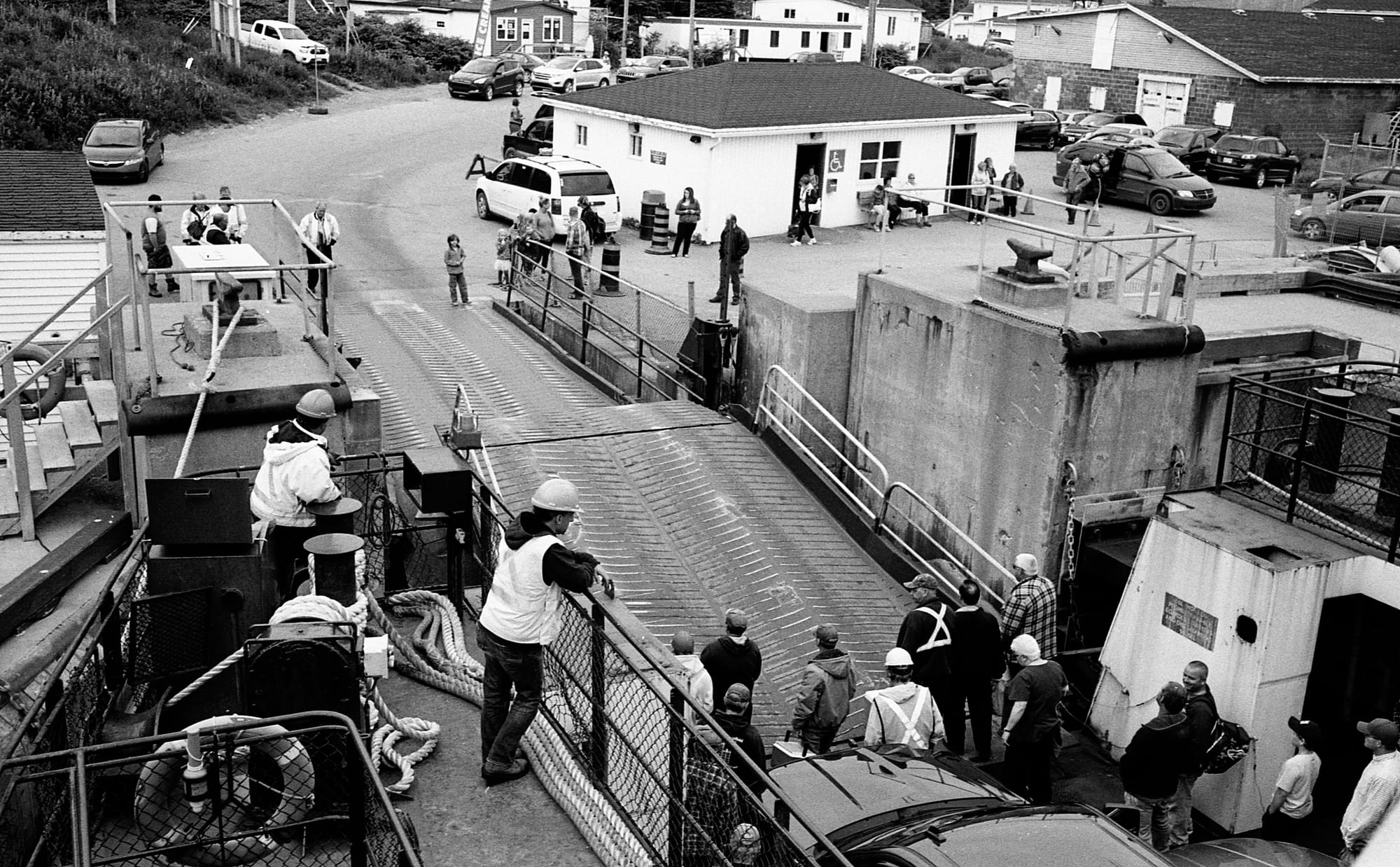
Ferryboats are strange beasts. Unloved, but necessary. Step on one and there is nothing like casting off lines to make you feel you are truly abandoning familiar shores. But, you are not quite there yet — wherever there might be. That apprehension you feel comes from being in a sort of limbo, in a non-place. Maybe that’s why the ancient poets depicted poor Charon, who ferried frightened souls across the river separating us from the Underworld, as a bad-tempered, old grouch. Unlike his passengers, who have a whole new world to explore, the old man is stuck on his little piece of the river, immortal, but without a destination. What could be worse?
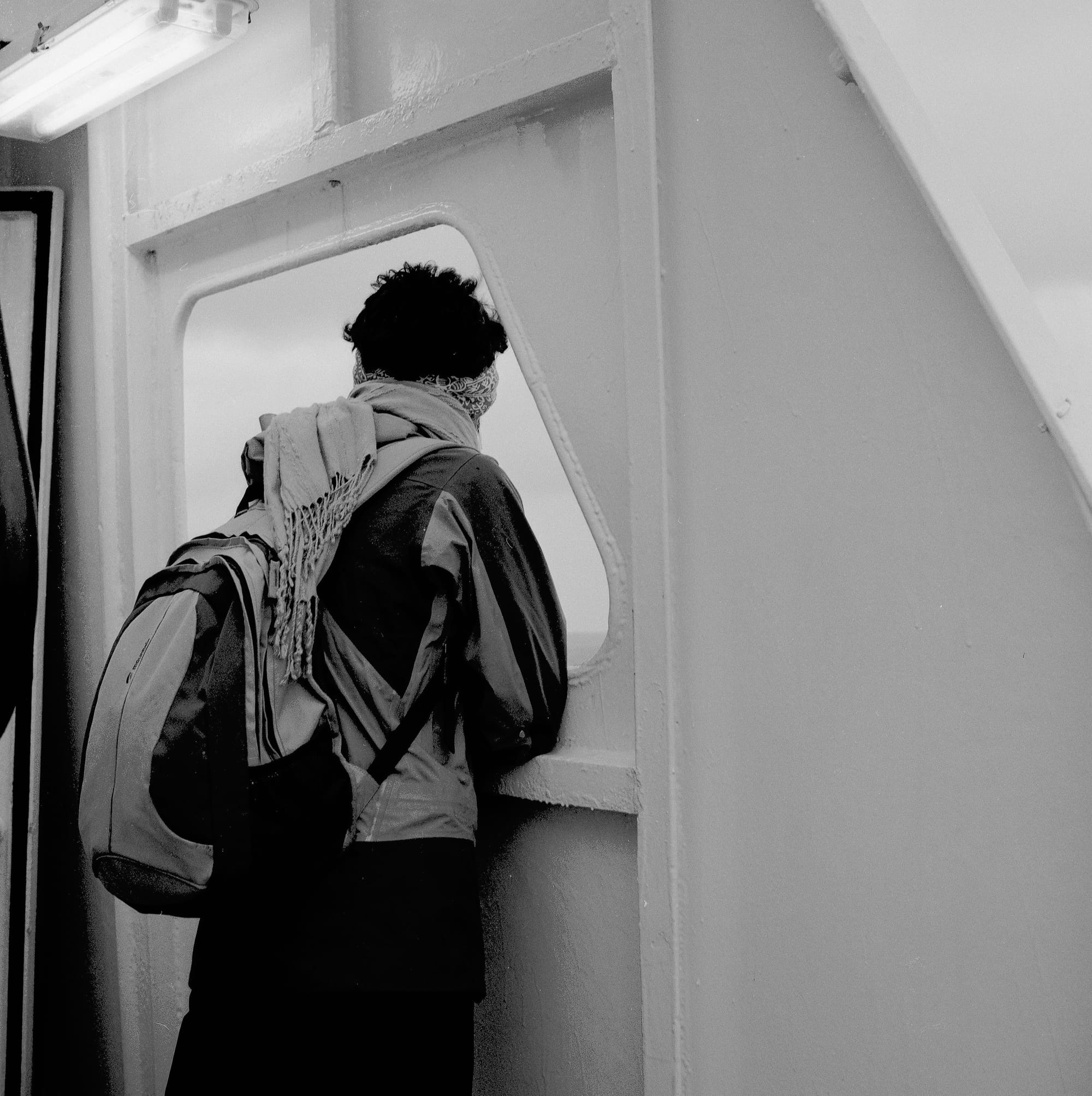
In the cabin, an elderly couple stares out the window, hungrily. Their first glimpse of the island that was their childhood home will ease the pain in their swollen joints. It will make everything bearable again for a little while.
Ask islanders what is the one change that would make the most difference in their lives and ferry service will inevitably be the first thing they mention. Those from away will nod their heads in sympathy, but they understand little of it. To them, a ferryboat is a symbol of isolation. It’s the only way to get to this place that sits in the middle of unpredictable, capricious, ever-changing sea. To them it makes sense that one would want a better, faster, more frequent crossing across these treacherous waters that can shimmer invitingly one moment only to rise and swallow a man, snatch a child or wash away a home a heartbeat later. And it’s true that when your loved one is ill, when island families gather from afar for funerals, births or reunions, a faster, better, more frequent crossing is desirable. What those not of the islands don’t know — cannot know — is that to an islander the sea is not only a barrier to be crossed, but an open field to be savoured. The ferryboat is not just a lifeline, a beast of burden to carry the ill, the old, and the newborn, but also a guardian of their islandness, allowing only so many and not one more to come onto their shores.
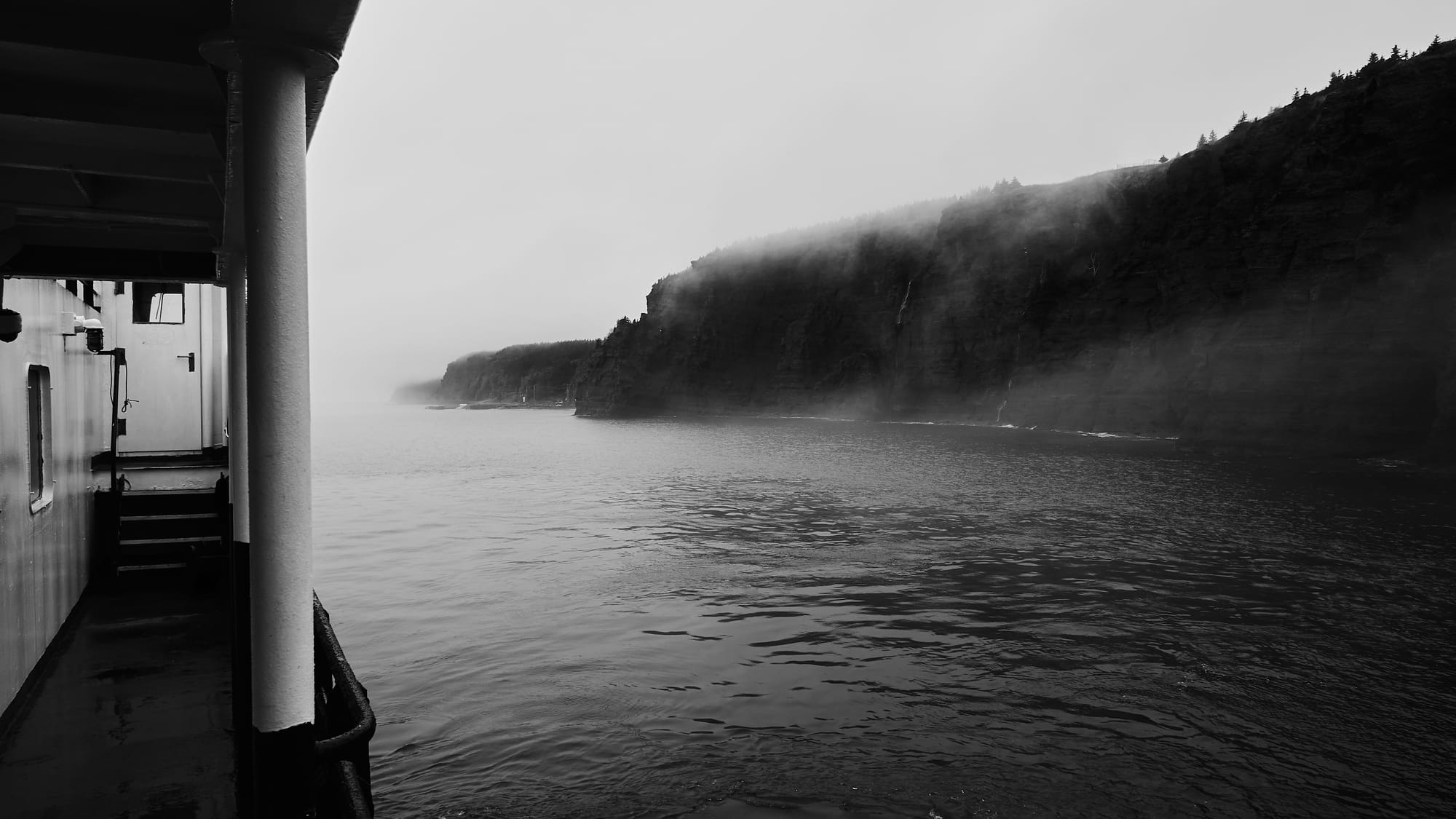
And those who come, usually when the weather is fair, are driven by curiosity or nostalgia, by a sense of mission or just dragged along to a godforsaken rock sticking out in the middle of the ocean.
Behind where I sit is another couple, middle aged and sophisticated. Instead of a red convertible, they bought a saltbox house on the island and know exactly how that place should be run. They, like Bosnian folk hero Đerzelez Alija who hated ferryboats and boatmen, would prefer to skip this old rusty boat altogether and, in the absence of Alija’s winged steed, they might settle for a bridge to leap across the water. But a ferry is all they have — it’s the only thing we all have.
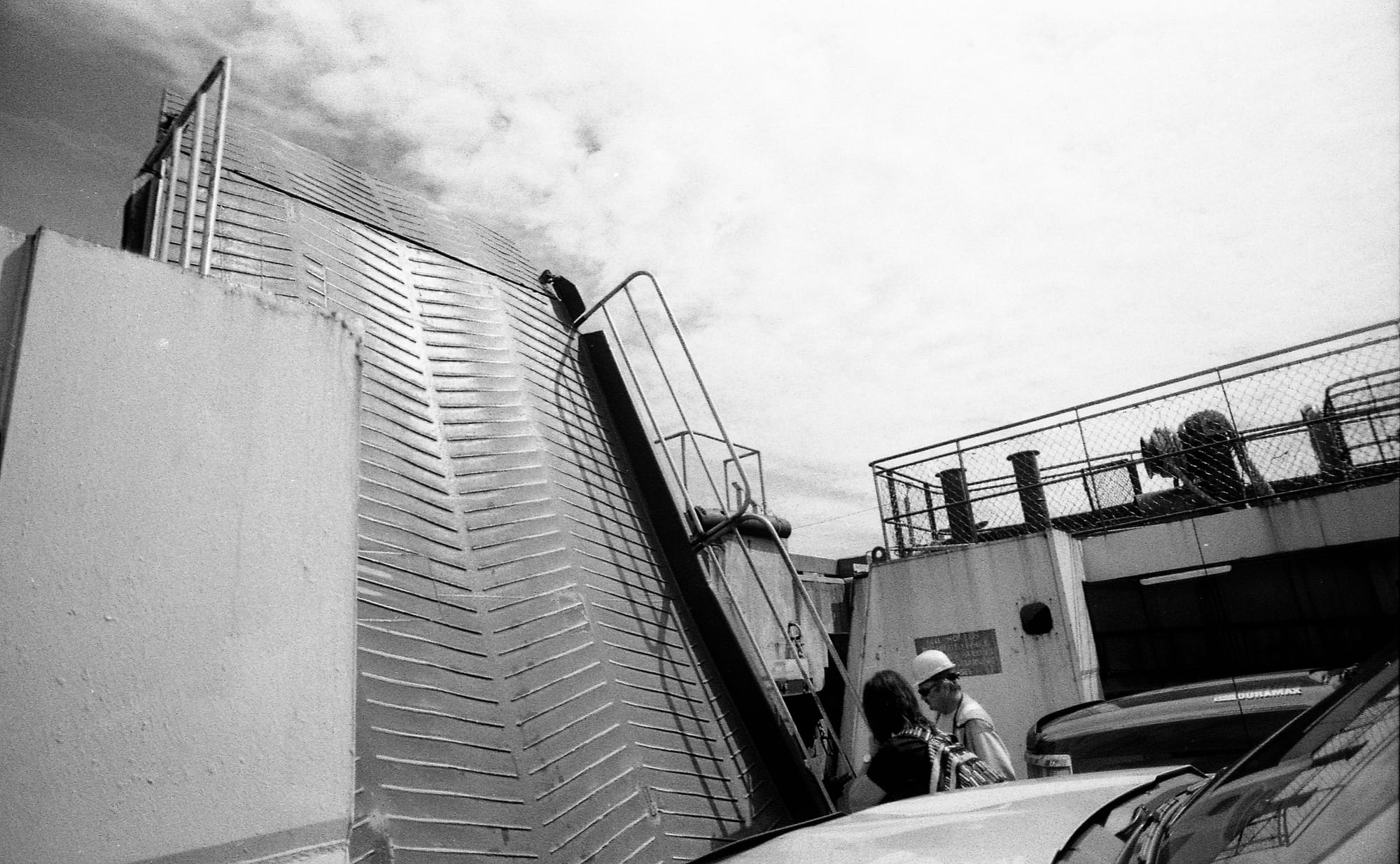
On a ferryboat we are all in it together. On this one, over on the open deck are three young men who, in preparation for a wild night out, drank a bottle of hard liquor and six litres of beer in the two hours it took to cross the sea between their island and a party in the city thrown to celebrate its patron saint. And here is the old man and woman whose arthritic fingers contort once more with the pain of departure. The bored teenager. Toddlers bouncing up and down still high on sugar their grandparents secretly fed them before the ferryboat snatched them away once again. The writer talking to his wife about a story on ferries he’d like to write. “Faeries,” she says surprised. “That’s different for you.” She is imagining lighter than air creatures full of magic. “Ferries,” he says feeling under his feet the grumpy rumble of this hulking, rusting beast of burden with its crew always stuck in limbo, but always dutifully taking us all to the other shore. ✖︎